Latest
From Eric

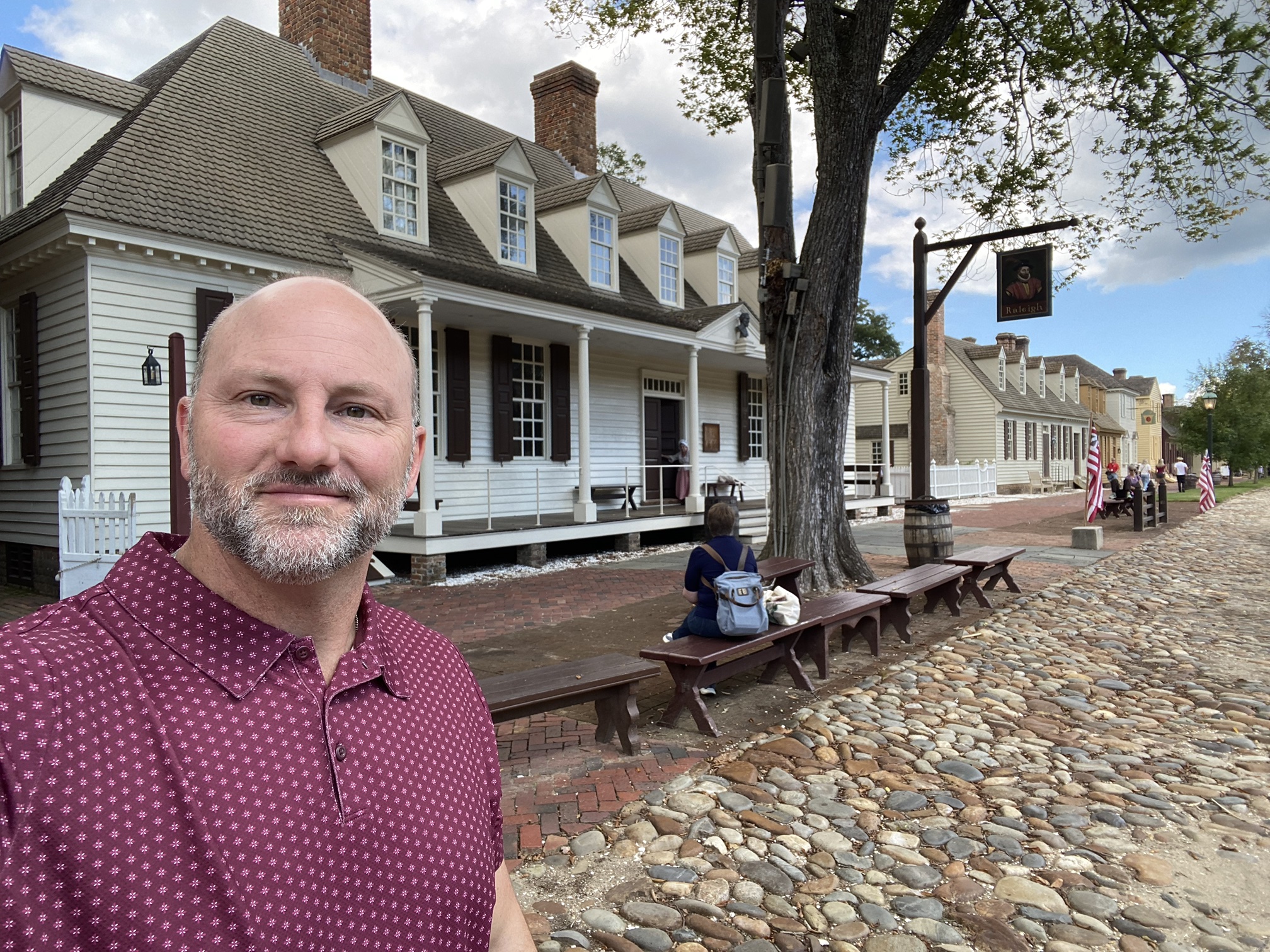
Standing on Duke of Gloucester Street in Colonial Williamsburg, outside the rebuilt Raleigh Tavern, it is easy to see just a charming historic landmark. But when I wrapped up my keynote here recently, I paused at this site because it represents one of the most defining leadership pivots in history.
In May 1769, and again in May 1774, Virginia’s royal governors did what failing, insecure managers have done for centuries: they tried to control people.
When the House of Burgesses voiced dissent against imperial overreach, the royal governor dissolved the assembly. By the traditional playbook of top-down authority, that should have been the end of it. The authority had spoken, the assembly had been dismissed, and compliance was expected.
Instead, leaders like George Washington, Thomas Jefferson, and Patrick Henry walked down the street to the Raleigh Tavern and gathered in the Apollo Room.
Without a legal assembly, they had no authority to compel anyone. They could not mandate behavior. Instead, they did something far more powerful: they made mutual promises.
In 1769, they signed the Virginia Association, a voluntary pledge to stop importing British goods. In 1774, after Lord Dunmore dissolved the assembly again, they met at the Raleigh once more and called for a general congress of all the colonies, the gathering that became the First Continental Congress. They pledged their reputations and fortunes to a shared outcome. They did not try to manage each other; they managed commitments.
Most organizational friction does not come from bad intentions or a lack of talent. It comes from leaders trying to manage people instead of promises.
When leaders focus on managing people, they inevitably drift into:
Managing people breeds resentment because autonomy is a fundamental human drive. The British Crown tried to manage people and lost thirteen colonies in the process.
A promise is a voluntary agreement between two parties to deliver a specific outcome under agreed-upon conditions by a defined time. When you shift your operating model from managing people to managing promises, leadership becomes cleaner, calmer, and significantly more effective:
The leaders who met at the Raleigh Tavern changed the world not because they held royal titles, but because they understood that trust, alignment, and execution are forged through credible agreements between autonomous people.
That is what a Promise-Driven Culture looks like: people who choose their commitments and keep them.
So the next time a deadline slips, skip the lecture about working harder. Ask the Apollo Room question instead: What did we agree to, what broke down, and what will we promise now?
Ready to build a Promise-Driven Culture in your organization? Explore my signature keynote, Manage Promises, Not People, or check my availability for your next leadership meeting or conference.
Phone: 813-846-0345
Email: Eric@EricPapp.com
Contact Eric