Latest
From Eric

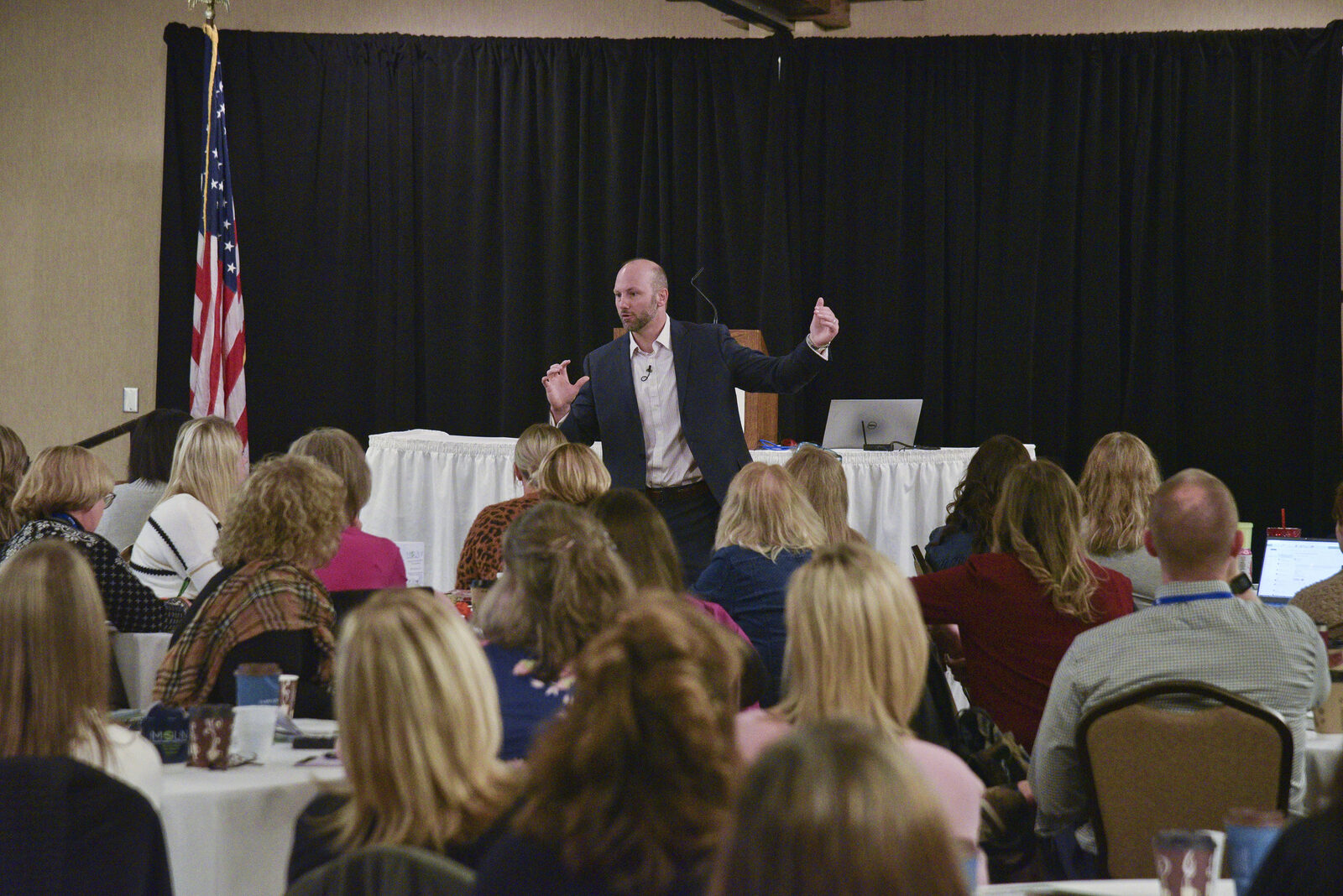
If you are planning a leadership meeting, an HR conference, or an association event, there is a good chance “accountability” is on your list of topics. It is one of the most requested themes in the meetings industry, and for good reason. Gallup found that only 46% of employees clearly know what is expected of them at work, down from 56% in 2020. When expectations are fuzzy, commitments slip, and leaders feel they have to step in and check on everything.
The challenge is that most accountability talks make the problem worse. They leave leaders with one message: hold people’s feet to the fire. That usually turns into more tracking, more check-ins, and more micromanagement. Your best people feel it first, and they are the ones with options.
Here is what to look for when you hire an accountability keynote speaker.
Accountability is not a personality trait you can motivate into people. It is a system. Look for a speaker who can explain how accountability actually works on a team: who promised what, by when, and what happens when a promise slips. If the description of the keynote is mostly adjectives like “powerful” and “inspiring,” ask what your people will actually do differently on Monday.
The most useful accountability message for today’s workplace is that leaders should stop managing people and start managing promises. When a team makes clear, realistic, visible promises, the leader does not need to hover. The conversation shifts from “Did you do it yet?” to “What did we commit to, and what do you need to keep that commitment?” That is the heart of the Manage Promises, Not People keynote and the Promise-Driven Culture framework.
Ask the speaker for the specific takeaways. Strong ones sound like this:
If your attendees cannot name one tool they will use, the keynote was entertainment, not development.
Accountability is easy to talk about and hard to practice. Look for a speaker who has led teams and delivered results outside the ballroom, not just someone who studies the topic. Your audience can tell the difference within five minutes.
A sales team, a hospital leadership group, and a REALTOR association all struggle with accountability in different ways. Ask how the speaker learns about your group before the event. A pre-event questionnaire and a planning call are good signs that your people will hear their own language on stage.
Content matters most, but a keynote still has to hold attention after lunch. Watch the speaker reel. Look for laughter, audience interaction, and moments where people are writing things down.
The right accountability keynote leaves your leaders with less oversight, not more, and leaves your team with a shared language for keeping commitments. That is what builds a culture where your best people stay.
Planning an event? Check Eric’s availability or read more about the Manage Promises, Not People keynote.
Phone: 813-846-0345
Email: Eric@EricPapp.com
Contact Eric