Latest
From Eric

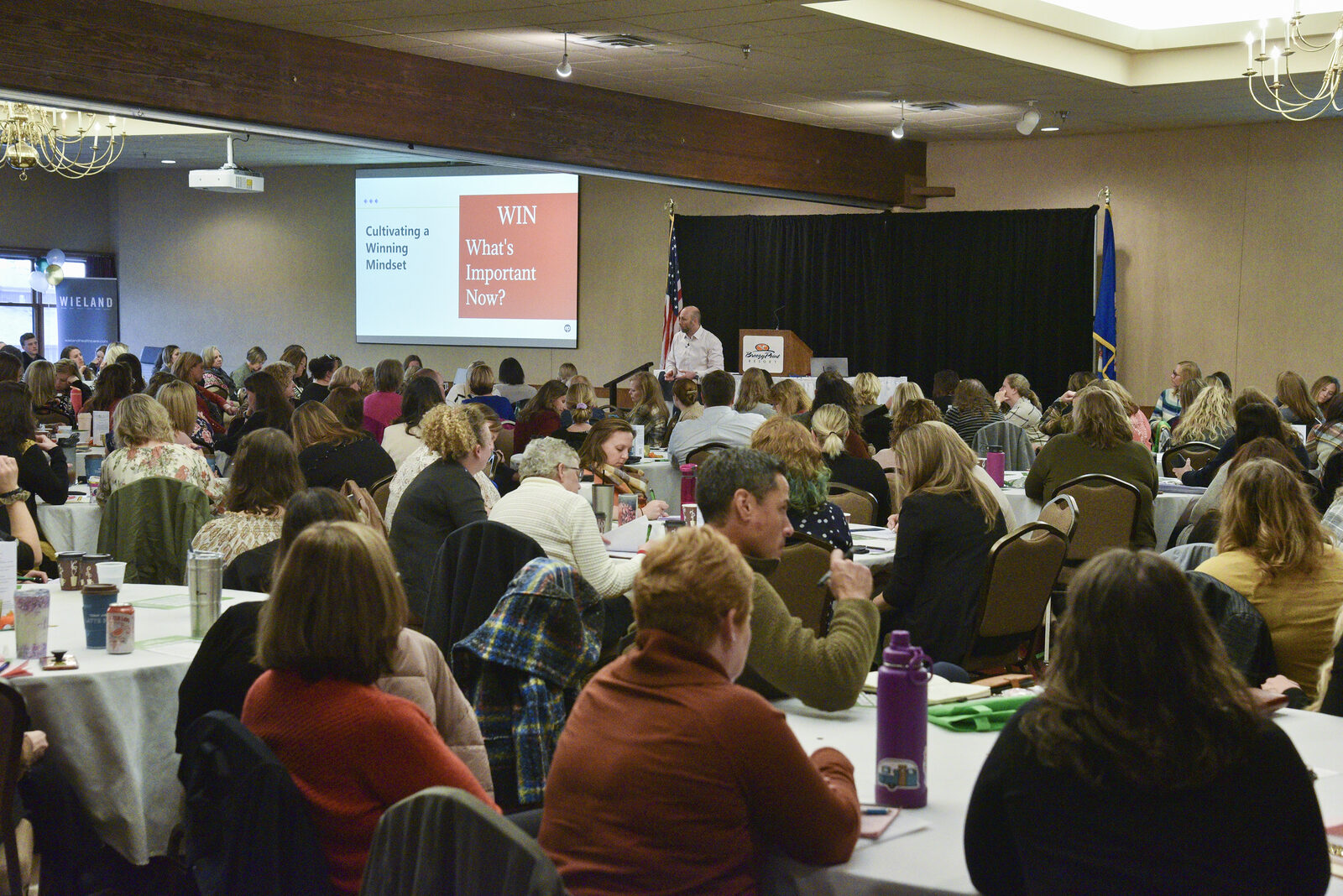
Ask any team how they are doing and you will hear the same word: busy. Calendars are full, inboxes are overflowing, and AI tools have made it faster than ever to create more requests, more drafts, and more meetings.
AI was supposed to free up time. For most teams it did the opposite. Work moves faster, requests multiply, and everything feels urgent. People are busier than ever and finishing less.
That is why time management keeps showing up on conference agendas. But many time management talks fall flat because they offer advice that does not survive contact with a real workplace: just say no, do less, block your calendar. Most people cannot decline their boss, extend a deadline, or hire their way out of a backlog.
Your people are not short on effort. They are short on clarity about what matters most and evidence that their effort is going somewhere. A good time management keynote should address three things.
A lot of energy at work goes to things nobody in the room can change: budgets, policies, market conditions, the decisions of other departments. The first shift is separating what sits outside your control from what sits inside it, such as how work is assigned, which project finishes first, and what you model on a hard day. Energy spent inside that circle creates progress. Energy spent outside it creates stress.
You are not trying to eliminate work. You are trying to sequence it. When everything is a priority, six projects stall at 40% instead of one finishing this quarter. A simple discipline helps: from a long list of important things, choose three priorities for the week and one most important goal. The list is not the plan. Choosing from it is the plan.
Sequencing works even in high-pressure environments. In 1992, Philadelphia’s civil court had more than 28,000 major jury cases waiting, with a median of over five years to resolve them. By 2003 the backlog was under 6,200, and the National Center for State Courts described it as one of the most successful urban trial courts in the country. They did not get fewer cases. They got clearer about which decisions were theirs and which work came first.
Every commitment uses time that could have gone somewhere else. When the tradeoff goes unnamed, teams end up spread too thin, decisions get made by whoever spoke loudest, and resources scatter across work that never finishes. One question changes that: “What do we need to stop doing to make this work?”
The Overload Problem: Focus and Follow-Through in the Age of AI is an interactive keynote with hands-on worksheets your people use in the room and keep using after the event.
Check Eric’s availability for your next conference or leadership meeting.
Phone: 813-846-0345
Email: Eric@EricPapp.com
Contact Eric